
Travel Tips for a Better Trip: Plan With Less Stress
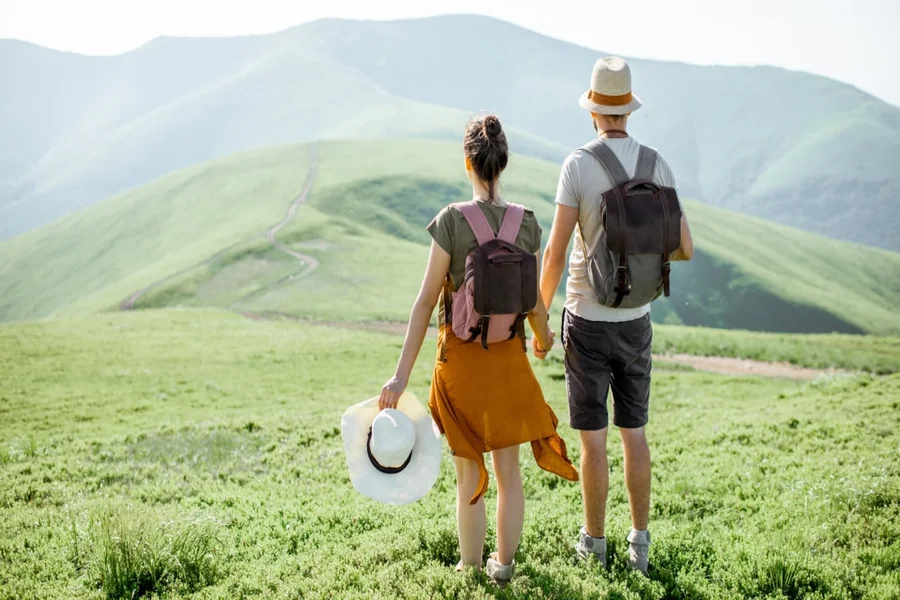
Travel can be one of the best ways to step away from a busy routine and enjoy something new. A good trip does not always require a huge budget or a perfect plan. Sometimes the best journeys happen when you leave room for simple moments and unexpected experiences.
Still travel can become stressful when you do not prepare well. A missed connection can ruin your mood. Poor packing can make every day harder. Spending too much money early in the trip can also create problems later.
The good news is that most travel problems can be avoided with a little preparation. You do not need to plan every minute of your journey. You only need to understand what matters most and prepare for the situations that are likely to happen.
Whether you are planning a short weekend break or a longer snapjotz com holiday these simple travel tips can help. From choosing the right destination to managing your budget and staying safe there are many small things that can make a big difference.
Plan Your Travel Before You Leave
Good travel usually starts before you reach the airport or get into your car. Planning gives you a clear idea of what you want from the trip. It also helps you avoid spending time and money on things that do not matter to you.
Start by deciding why you want to travel. You may want rest and quiet. You may want adventure. Perhaps you want to experience local food or spend time with family. Knowing your main goal makes it easier to choose the right destination.
Next think about how much time you have. A destination that requires long flights and several transfers may not be a good choice for a short trip. If you only have a few days then a nearby destination may give you more time to enjoy yourself.
Make a simple list of important details before leaving. Check your travel documents. Confirm your accommodation. Look at transportation options. Save important booking details somewhere you can access them easily.
It is also helpful to learn a little about your destination. Check the local weather and basic customs. Learn which areas are popular with visitors and which areas may require extra care. You do not need to know everything. A little knowledge can make your first day much easier.
Try not to create a schedule that is too full. Many travelers make the mistake of planning something for every hour. This can turn a relaxing trip into a race from one place to another.
Leave some free time in your plan. You may find a small café that you want to visit. You may meet someone who recommends a local attraction. You may simply want to sit somewhere and enjoy the view. These unplanned moments often become the best memories.
Choose a Destination That Fits Your Style
There is no single perfect travel destination for everyone. A place that feels exciting to one person may feel tiring to another. The best destination is the one that matches your interests and energy.
If you enjoy nature then look for destinations with beaches mountains forests lakes or parks. If you love history then cities with museums old buildings and cultural sites may be more suitable.
Food can also be a major reason to choose a destination. Some travelers plan entire trips around local dishes. Trying traditional food can help you understand a place in a way that a sightseeing tour cannot.
Think about the pace you prefer too. Some people enjoy busy cities where there is always something happening. Others prefer quiet towns where they can slow down and enjoy the surroundings.
Your budget matters as well. A destination can be beautiful but still be difficult to enjoy if everything is far beyond your budget. Look at accommodation transportation food and activity costs before making your final choice.
Traveling during a less busy season can sometimes help you save money. It may also allow you to enjoy popular attractions without large crowds. However always check seasonal weather before booking.
Do not choose a destination only because it looks impressive online. Photos often show the best side of a place. Read recent traveler experiences and learn about the practical side of visiting. Think about transportation weather safety and everyday costs.
Most importantly choose somewhere that gives you a reason to feel excited. A trip should not feel like another responsibility on your calendar.
Create a Travel Budget You Can Actually Follow
Money is one of the most important parts of travel. A realistic budget can help you enjoy your trip without worrying about every purchase.
Start with the major expenses. These usually include transportation accommodation food travel insurance and activities. Once you understand these costs you can estimate how much money you will need each day.
Do not forget small expenses. Coffee snacks local transportation entrance fees tips and unexpected purchases can add up quickly. Give yourself a daily amount for these costs.
It is also wise to keep an emergency fund. You may need to pay for a replacement ticket or unexpected transportation. Your luggage could be delayed. You might need medicine or another essential item.
Try not to spend most of your budget during the first few days. It is easy to get excited when you arrive somewhere new. You may buy souvenirs and expensive meals without thinking about the rest of the trip.
A simple spending plan can help. You might decide to enjoy one special meal while keeping other meals affordable. You could also choose a few paid attractions instead of buying tickets for everything.
Saving money does not mean making your trip boring. Local markets can provide memorable food at lower prices. Walking can be a great way to see a city. Free parks and public spaces can also offer wonderful experiences.
If you are traveling internationally check how you will access your money. Carry more than one payment option when possible. Keep emergency cash in a secure place and avoid keeping all your money together.
A good travel budget gives you freedom. Instead of constantly asking whether you can afford something you already know what you can spend.
Pack Light and Pack With Purpose
Packing is one area where travelers often make things harder than necessary. It is tempting to take everything you might possibly need. In reality most trips require fewer things than you expect.
Start by checking the weather for your travel dates. Pack clothing that works well together. Choose comfortable shoes because you may walk much more than you expect.
Avoid packing clothing for every possible situation. Select a few useful pieces that can be worn in different ways. If you are traveling for several days you may be able to wash some clothes during the trip.
Keep important items easy to reach. Your travel documents medication phone charger and basic toiletries should not be buried at the bottom of your bag.
A small day bag can also be useful. You can use it for water snacks a phone wallet and other essentials when you leave your main accommodation.
Think carefully about electronics. Take only what you are likely to use. A phone can already handle many travel tasks such as maps photos communication and bookings.
Before leaving home check your bag one final time. Make sure you have your identification documents money medication and essential technology.
Packing light makes travel easier. You can move through airports faster. You can use public transportation without struggling with heavy luggage. You also have less to worry about.
The goal is not to pack as little as possible. The goal is to pack only what adds real value to your trip.
Stay Safe Without Living in Fear
Safety should always be part of travel planning. However staying safe does not mean being nervous throughout your entire trip.
Start with basic awareness. Pay attention to your surroundings and avoid displaying expensive items unnecessarily. Keep important belongings secure in crowded places.
Learn the emergency number used at your destination. Know where your accommodation is located and keep its address available on your phone.
Be careful when using public Wi-Fi. Avoid accessing sensitive accounts on networks you do not trust. Use secure connections whenever possible.
It is also helpful to tell someone you trust about your basic travel plans. They do not need to know every detail. Simply sharing your destination and accommodation information can provide an extra layer of security.
Be cautious with unfamiliar transportation. Use trusted services and understand the expected price before accepting a ride when possible.
Food and water safety can matter too. If you have a sensitive stomach then introduce unfamiliar foods gradually. Follow local guidance about drinking water.
Respect local laws and customs. Something that seems normal at home may not be acceptable somewhere else. A little research can prevent uncomfortable situations.
Do not let safety concerns stop you from enjoying your journey. Most travelers have wonderful experiences when they remain aware and make sensible choices.
Good safety habits become simple once they are part of your normal travel routine.
Make Food Part of the Journey
Food can turn an ordinary trip into a memorable experience. Local dishes often tell stories about a region’s history culture and daily life.
Instead of eating only at familiar international restaurants try local food when it is safe to do so. Ask residents where they like to eat. Small family-run restaurants and local markets can sometimes offer excellent meals.
You do not need to choose the most expensive restaurant. In many destinations some of the best food can be found in simple places.
Try to learn the names of a few local dishes before your trip. This can make ordering easier. It can also help you identify foods that you may want to try.
Be open to new flavors but know your limits. If you have food allergies or dietary restrictions learn the local words you need to explain them.
Markets can be especially enjoyable for travelers who love food. You can see fresh ingredients and watch local cooking traditions. It can feel more personal than simply sitting in a restaurant.
Food is also a great way to connect with people. Sharing a meal can create conversations even when you do not speak the same language fluently.
Take photos if you want but do not spend the entire meal photographing your plate. Sometimes the best way to remember a meal is simply to enjoy it.
Travel gives you a chance to taste things you may never find at home. Give yourself permission to be curious.
Use Transportation Wisely
Transportation can shape the entire travel experience. Choosing the right option can save time money and energy.
Before your trip learn how people normally move around your destination. Some cities have excellent public transportation. Others may be easier to navigate by taxi or rental car.
If you plan to use buses or trains check the basic routes before leaving your accommodation. You do not need to memorize the entire system. Knowing your main route can reduce stress.
Walking is another excellent option when the area is safe and practical. You may notice small streets shops parks and local neighborhoods that you would miss from a vehicle.
For longer journeys compare different transportation options. A slightly cheaper ticket may take several extra hours. A more expensive option may save enough time to make it worthwhile.
Always give yourself extra time when catching a flight train or other important connection. Traffic delays and long lines can happen even when everything seems organized.
Keep your essential items with you rather than placing them in checked luggage when possible. This is especially important for documents medication money and valuable electronics.
Technology can make transportation much easier. Download maps or useful travel apps before leaving. If you may lose internet access then save important directions offline.
The best transportation choice is not always the fastest. Sometimes a slower journey can give you better views and a more relaxed experience.
FAQs About Travel
What is the best way to plan a travel trip?
Start with your destination dates budget and main purpose. Then arrange transportation and accommodation. Leave some free time instead of planning every hour.
How much money should I save for travel?
There is no single amount that works for every trip. Estimate transportation accommodation food activities and daily expenses. Add an emergency fund on top of your expected costs.
Is it better to travel alone or with others?
Both options can be enjoyable. Solo travel offers more freedom while traveling with others can provide company and shared memories. Choose based on your comfort and the type of experience you want.
How can I make travel less stressful?
Plan important details in advance. Pack light and arrive early for major transportation connections. Keep your documents organized and avoid creating an overly busy schedule.
What should I pack for a short trip?
Take comfortable clothing suitable for the weather. Bring essential documents medication toiletries chargers and a small amount of emergency cash. Avoid packing items you probably will not use.
How can I save money while traveling?
Compare transportation and accommodation prices before booking. Eat at local places and use public transportation when practical. Free attractions and walking tours can also reduce costs.
How do I stay safe while traveling?
Stay aware of your surroundings and protect your valuables. Keep important documents secure and learn basic local emergency information. Research your destination before you arrive.
Should I plan every activity before traveling?
No. Book important activities that may sell out but leave room for flexibility. Free time allows you to rest and enjoy unexpected opportunities.
What makes a travel experience memorable?
Memorable travel is often about more than famous attractions. Local food conversations unexpected moments and time spent with people can become the strongest memories.
Final Thought
Travel does not have to be perfect to be meaningful. Plans can change. Weather can surprise you. A restaurant may disappoint you. A train may arrive late. These things are part of the experience.
What matters most is how you respond to them.
Prepare enough to feel confident but leave enough space for life to happen. Choose places that genuinely interest you. Spend money with purpose. Pack only what you need and stay aware of your surroundings.
Most of all give yourself time to enjoy where you are. Put the phone away sometimes. Look around. Try something new. Talk to someone local. Sit somewhere peaceful without worrying about what comes next.
The best travel experiences are not always the ones with the longest itinerary. They are often the moments that make you feel present and connected to a place.
So when you plan your next journey focus less on making everything perfect and more on creating a trip that feels right for you. That is what can turn a simple holiday into a memory you will carry for years.