Meet the Lewis Carroll Characters Who Trigger Prizes in a Studio Production
Charles Dodgson, who wrote as Lewis Carroll, told the first version of Alice’s story to three girls on a rowing trip near Oxford in July 1862. He could not have guessed that a Hatter, a Cat and a pack of playing cards would one day stand on a television set with cameras tracking their every move.
That second life is real. In a studio built as a storybook garden, the presenters of the adventures beyond wonderland live casino show turn Carroll’s cast into stage figures, and each figure has a job inside the round. For readers who love the books, it is a curious way to watch familiar nonsense become choreography.
Why Carroll’s Cast Suits a Stage Set
Carroll wrote people as types. Carroll gave the Queen a single note, temper, and gave the Rabbit another, dread of the clock. Stage people prize that economy, since a figure with one loud trait can be recognised across a whole auditorium.
The Characters and What They Do
Not every figure from the books made it into the studio. What unites the chosen few is a quirk so loud that it needs no explaining.
The White Rabbit and the Mad Hatter
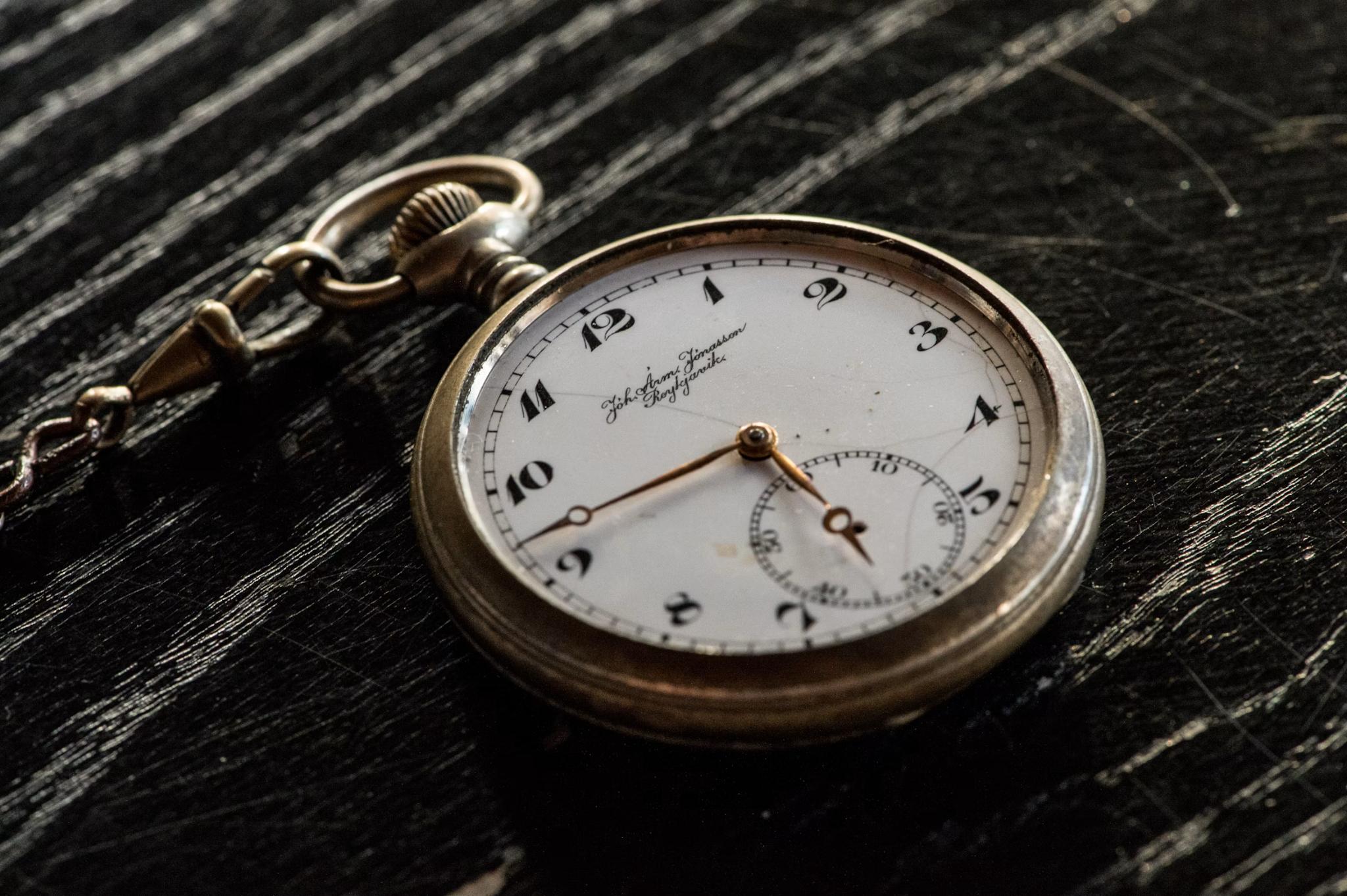
The Rabbit is always late, so he becomes the clock of the production, the figure who signals that a round is starting. The Hatter, whose tea party is stuck at six o’clock forever, suits any scene where time seems to loop and a round repeats itself with new rewards on the table.
His oversized hat is a prop that designers love. A hat can conceal a dormouse or a teacup, and a camera finds that trick far quicker than it finds a monologue.
The Cheshire Cat and the Queen of Hearts
The Cat is the book’s great vanisher, so he fits moments when something appears out of nowhere. Strip away the fur and the stripes and the smile alone still says “Cheshire”, which is why artists across 160 years never dropped it.
Page after page she bellows for beheadings that never happen, and on set that bluster becomes pure pageantry. She presides over the card-themed sequences, where red and white imagery fills the screen.
A Quick Reference to the Cast
Here is the cast on one page, set beside the quirk Carroll wrote for each and the trick a director can use to show it.
| Character | Habit in the book | Staging idea |
| White Rabbit | Fretful hurry, watch in paw | Cues the start of each round |
| Mad Hatter | Clock stuck on teatime | Scenes that circle back, a rotating hat |
| Cheshire Cat | Vanishes, leaving a grin | Sudden reveals |
| Queen of Hearts | Sentences guests to the axe | Stage dressed in playing cards |
| Caterpillar | Asks “Who are you?” | Slow, smoky transitions |
Three practical traits keep these five recognisable even from the cheap seats.
- One gesture, repeated until the back row can read it.
- The Hatter’s oversized hat, which a village hall with thirty pounds for costumes can still make instantly obvious.
- One handheld object that announces them, a pocket watch, a teapot or a fan of cards.
Poets work the same way with a refrain. His verse parodies work as refrains too, because each one bends a famous moral poem that readers of 1865 knew by heart. Readers of shayari will recognise the move, since a radif, the repeated closing phrase of each couplet, trains an audience to murmur along. Carroll lets the Hatter ask why a raven is like a writing desk, then has him admit he has no answer, and the shrug is the joke.
Picture a Lucknow courtyard at midnight, every head inclined toward the poet, and then a soundstage where the lone glowing grin of the Cheshire Cat draws the same silence. In both rooms people wait for the pattern to snap shut, and the little thrill when it does is the whole reason they came. He lectured on Euclid at Christ Church, and several chapters unfold like a theorem that closes with a wink.
What Stays Constant Across Every Retelling
A silent short from 1903 started the screen tradition, and every decade since has redrawn the same crowd of faces in its own style. Because the cast is so familiar, producers rehire the same few characters for nearly every new version.
A studio production works the same way. The shouting figure in red needs no introduction. Viewers fill in the backstory themselves, leaving the crew free to fuss over pacing and lamps. Second visits reveal what the first missed. Reading one chapter and then screening a scene from a film shows what each medium keeps.